Turning Criminals into Contributors
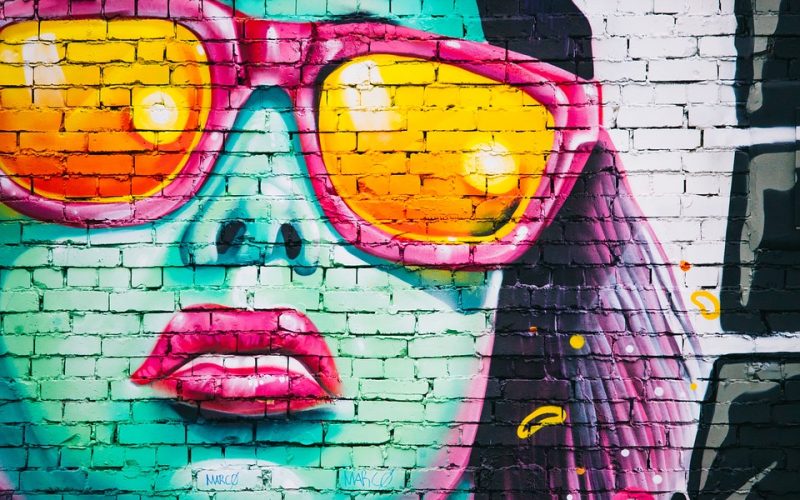
Street art has journeyed from the shadows of subway tunnels and urban alleyways into the bright lights of galleries and auction houses. What was once dismissed as vandalism is now celebrated as a legitimate art form, with street artists commanding six-figure fees and collaborating with global brands. This transformation reflects broader shifts in how society values creativity, authenticity, and public space.
The evolution of street art
Street art emerged in the 1970s and 1980s as an act of rebellion. Graffiti writers in New York City and hip-hop culture in the Bronx used spray paint to claim visibility in marginalised communities. Names like Jean-Michel Basquiat and Keith Haring started on the streets before transitioning to galleries, but most practitioners remained underground, risking arrest for their work.
By the 1990s, street art began diversifying beyond traditional graffiti tags. Artists like Banksy introduced stencils, whilst others experimented with paste-ups, murals, and installations. These techniques expanded the visual language of street art and made it more accessible to mainstream audiences. The anonymity of many street artists also added an element of intrigue, turning their work into urban treasure hunts.
From illegal to institutional
The turning point came when institutions began recognising street art's cultural significance. Museums like Tate Modern and the Museum of Contemporary Art in Los Angeles started exhibiting works by street artists. Auction houses followed suit, with Banksy's "Girl with Balloon" fetching over £1 million at Sotheby's in 2018 before famously shredding itself.
Cities also shifted their approach. Councils that once prosecuted street artists now commission them to revitalise neighbourhoods. Legal walls and street art festivals have become common, providing artists with sanctioned spaces to create. This institutional acceptance has been controversial, with some purists arguing it undermines the rebellious spirit that defines street art.
The business of street art
Professional street artists now operate much like traditional artists, with agents, studios, and merchandise lines. Shepard Fairey, known for his "Obey Giant" campaign and the Obama "Hope" poster, has built a multimillion-pound empire. Others collaborate with fashion brands, design album covers, or create public installations for corporate clients.
Social media has accelerated this professionalisation. Platforms like Instagram allow street artists to build global followings without gallery representation. A single viral post can lead to commissions, partnerships, and international recognition. This democratisation of exposure has created new pathways to success, though it has also intensified competition.
Preserving authenticity
As street art becomes more commercial, questions about authenticity persist. Can street art retain its edge when it's funded by corporations or displayed in climate-controlled galleries? Some artists navigate this tension by maintaining both street and studio practices, ensuring their work remains rooted in public space whilst also generating income.
Others reject commercialisation entirely, viewing it as antithetical to street art's core values. These artists continue working illegally, prioritising message over market. This divide reflects broader debates about art's purpose: should it challenge systems of power, or can it thrive within them?
The rise of the professional street artist demonstrates how cultural attitudes evolve. What was once marginalised is now mainstream, and what was once criminal is now celebrated. Whether this transformation represents progress or co-option depends on perspective, but one thing is certain: street art has permanently altered the artistic landscape.