Public Funded Art
Public funding for the arts has long been a subject of debate among policymakers, artists, and taxpayers. Supporters argue that government investment in culture enriches society and provides opportunities for creative expression. Critics, however, question whether public money should subsidise an industry they view as non-essential. Understanding both perspectives can help clarify the role of publicly funded art in modern society.
Why governments fund the arts
Many countries allocate portions of their budgets to support museums, theatres, galleries, and public performances. The rationale is straightforward: art contributes to cultural identity and social cohesion. It provides education, preserves heritage, and offers a platform for voices that might otherwise go unheard. Public funding ensures that access to culture isn't limited to those who can afford private galleries or expensive tickets. It democratises creativity, making it available to everyone regardless of income or background.
Economic and social benefits
Beyond cultural enrichment, publicly funded art generates tangible economic benefits. The creative sector creates jobs, attracts tourism, and revitalises urban areas. Festivals, exhibitions, and performances draw visitors who spend money on accommodation, dining, and transport. Studies have shown that every pound invested in the arts can yield several pounds in return through these multiplier effects. Additionally, exposure to art has been linked to improved mental health, stronger community ties, and enhanced educational outcomes for young people.
Common criticisms
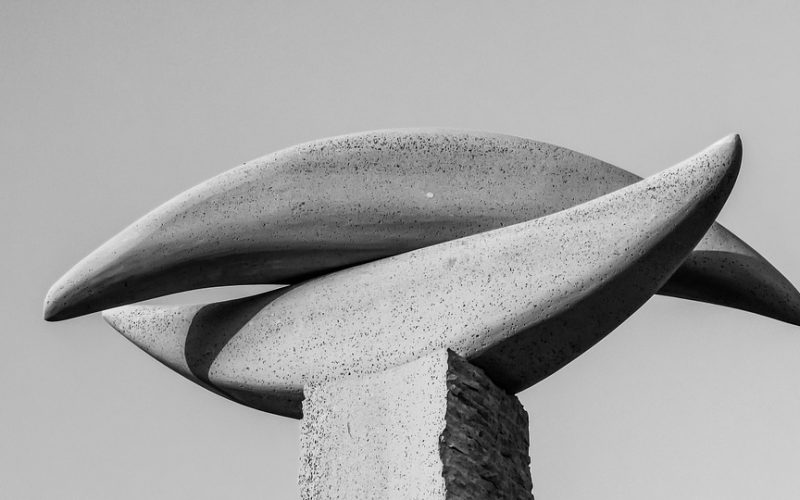
Despite these advantages, public funding for art faces significant criticism. Opponents argue that taxpayer money should prioritise essential services like healthcare, education, and infrastructure. They question whether the government should support projects that appeal to niche audiences or reflect the tastes of cultural elites. There's also concern about accountability—how do we measure the success of a publicly funded sculpture or theatre production? These are valid questions that deserve thoughtful answers.
Balancing priorities
The challenge lies in finding the right balance. Art doesn't have to compete with healthcare or education; rather, it can complement them. A well-rounded society values both practical needs and cultural vibrancy. The key is ensuring that funding is distributed fairly, supporting a diverse range of artistic expression rather than favouring established institutions alone. Transparent criteria and regular evaluation can help maintain public trust whilst encouraging innovation.
Looking ahead
As budgets tighten and priorities shift, the conversation around publicly funded art will continue. What remains clear is that art plays a meaningful role in shaping our communities and identities. Whether through grand national galleries or small community projects, publicly funded art offers something valuable that the market alone cannot provide. The question isn't whether we should fund the arts, but how we can do so in a way that serves the broadest possible audience.
Public funding for art is more than a financial decision—it's a statement about what we value as a society. By investing in culture, we invest in our collective future, ensuring that creativity and expression remain accessible to all.